
I was held hostage and incarcerated during my music student days, and then during my brief performance career.
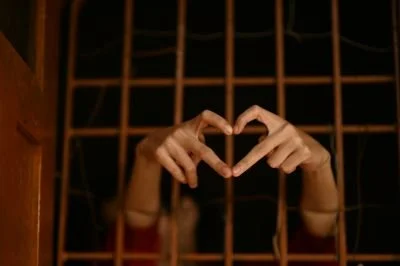
I was held hostage and incarcerated during my student days, and then during my brief performance career.
I played clarinet. I went to a top ten music school, and studied with two brilliant teachers. I was in the right place at the right time.
But unfortunately, at that time, I was being held hostage, and then I was incarcerated because of my over-the-top devotion to playing scales, scales in thirds, and long tones.
More than half of my practice time was spent playing scales, scales in thirds, and long tones. That left an insufficient amount of time for working on repertoire and orchestral excerpts.
To be honest, I was self-incarcerated, and a willing hostage.
Maybe it was an addiction.
Hi, my name is David, and I’m a scale-oholic.
Looking back, I know the reason for my dependency on scales. And maybe, many, many years later, it led me to my current career as an artist representative and creator of personalized career strategies for performers, ensembles, and composers.
Back then, I really didn’t have a clear idea of who I was — and what I truly wanted to do as a musician. Sure…in my head, I thought about playing in an orchestra, giving recitals, being a soloist, teacher, and even becoming a “freelance” musician. But I never said it aloud or put it down on paper.
Something happens when you put your name, career identity, and career intentions in front of you on paper, or on a screen, or you hear yourself saying it aloud.
Seeing or hearing it outside of your head makes it real enough to evaluate and contemplate it on a deeper level.
And, from that self-evaluation, you are now able to make any adjustments as to how you authentically want to define yourself and determine what you want to do career-wise.
Think of it as your “Artist Statement,” or “Identifier.”
“Hey man, nice to meet you. What do you do?
“I’m a music lover. I work with performers and composers whose music I enjoy listening to, and I help them create a personalized career strategy.”
Wouldah, Shouda, Couldah
If I wanted to primarily play in an orchestra, I would have spent more time practicing, learning the clarinet parts of the standard repertoire. I would have found a way to take mock auditions, even if I had to organize them myself.
If I wanted to be a recitalist and chamber musician, I would have spent more time with the well-known repertoire, and sought out equally substantial, but lesser known, repertoire.
And, I would have identified like-minded artist to collaborate with. (I did some of that, but not enough, as I was holding myself hostage with scales and long tones.)
Maybe going through the Artist Statement - Identifier process would have given me the focus I needed to advance my playing and kept me in the music business longer. But when I finally did the process, I realized I was simply a music lover. I enjoyed listening to music, more than performing it.
“I’m a music lover. I work with performers and composers whose music I enjoy listening to, and I help them create a personalized career strategy.”
But to be completely transparent, part of my decision-making process included the realization that I would never be good enough to achieve a successful and sustainable career as a clarinetist. Playing scales, scales in thirds, and long tones alone does not lead to a successful musical career.
I stopped playing on a Friday and got two radio internships during the following week. And the rest as they say, is hysteria.
And no matter how insecure we are, we all know in our hearts the answer to the question, “Am I good enough?” And do I have the passion and drive to move forward as a performer or composer no matter what?
So, what’s going to be? Who do you want to be, and how will you manage your time accordingly?
Want to talk it over? Want to create your Artist Statement?
Let’s see what we can come up with in 30 minutes.
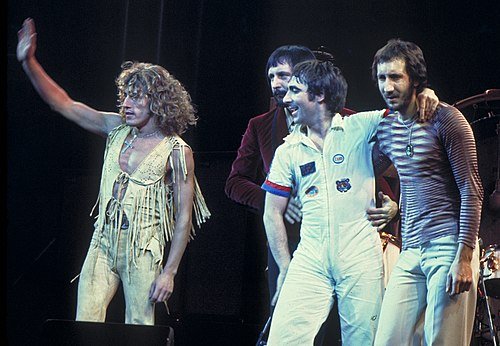
The Who